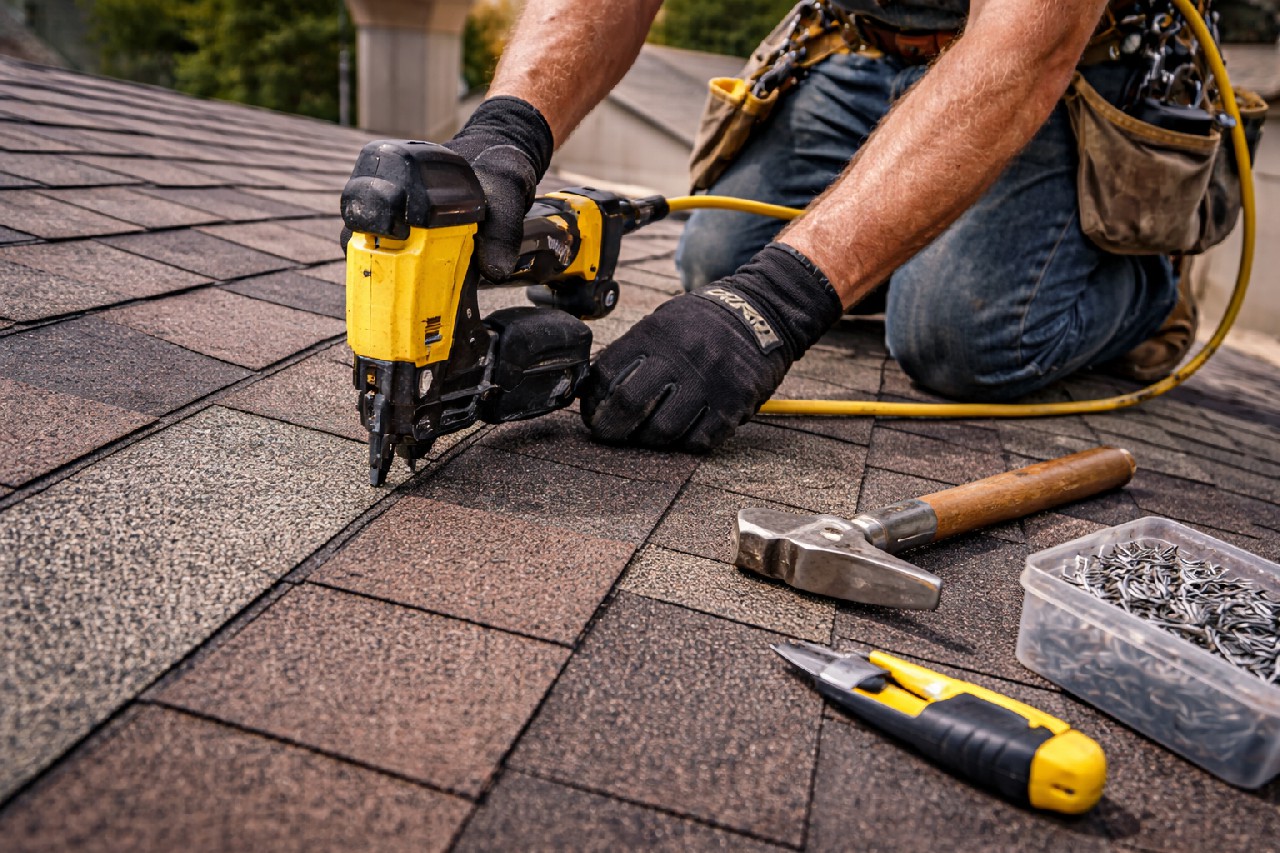


⚡ TL;DR: Discover key secrets for Asphalt Shingle Roof Installation in Virginia Beach, designed to handle coastal salty air and storms through smart site prep, techniques, and ventilation.
📋 What You’ll Learn
Unlock asphalt shingle secrets tailored for Virginia Beach homeowners, covering climate-specific choices, installation best practices, ventilation tips, and real case studies for lasting roof protection.
- Grasp Virginia Beach coastal climate demands and select shingles built to combat salty air, high winds, heavy rains, and UV damage for superior longevity.
- Identify top asphalt shingle varieties proven in local storms, like impact-resistant and algae-fighting types that endure humid, corrosive conditions without early failure.
- Master pre-installation preparation essentials including deck inspection, drainage setup, and debris clearance to prevent leaks, warping, and expensive future repairs.
- Perfect key installation techniques for underlayment, nailing, flashing, ventilation, and ridge caps that ensure wind resistance and extend roof life in hurricanes.
- Study a local hurricane survival case showcasing how expert shingle installs saved a Virginia Beach home from severe damage and costly rebuilding.
📖 Reading time: 7 min
✍️ Author expertise: Virginia Beach roofing pro with 18 years of asphalt shingle installs from coastal fieldwork.
Ever wake up to the sound of rain drumming on your roof in Virginia Beach, only to spot those first ugly curls on your asphalt shingles after a brutal summer storm?
You're not alone—coastal winds, salty air, and hurricane season chew through roofs faster than you think, turning a solid investment into a money pit if you don't know the right secrets.
We've installed thousands of these bad boys right here on the Beach, and we're spilling the beans on what really lasts.
Keep reading to grab the insider tricks that save Virginia Beach homeowners big on asphalt shingle roof installation.
Why Virginia Beach's Coastal Climate Demands Special Asphalt Shingles
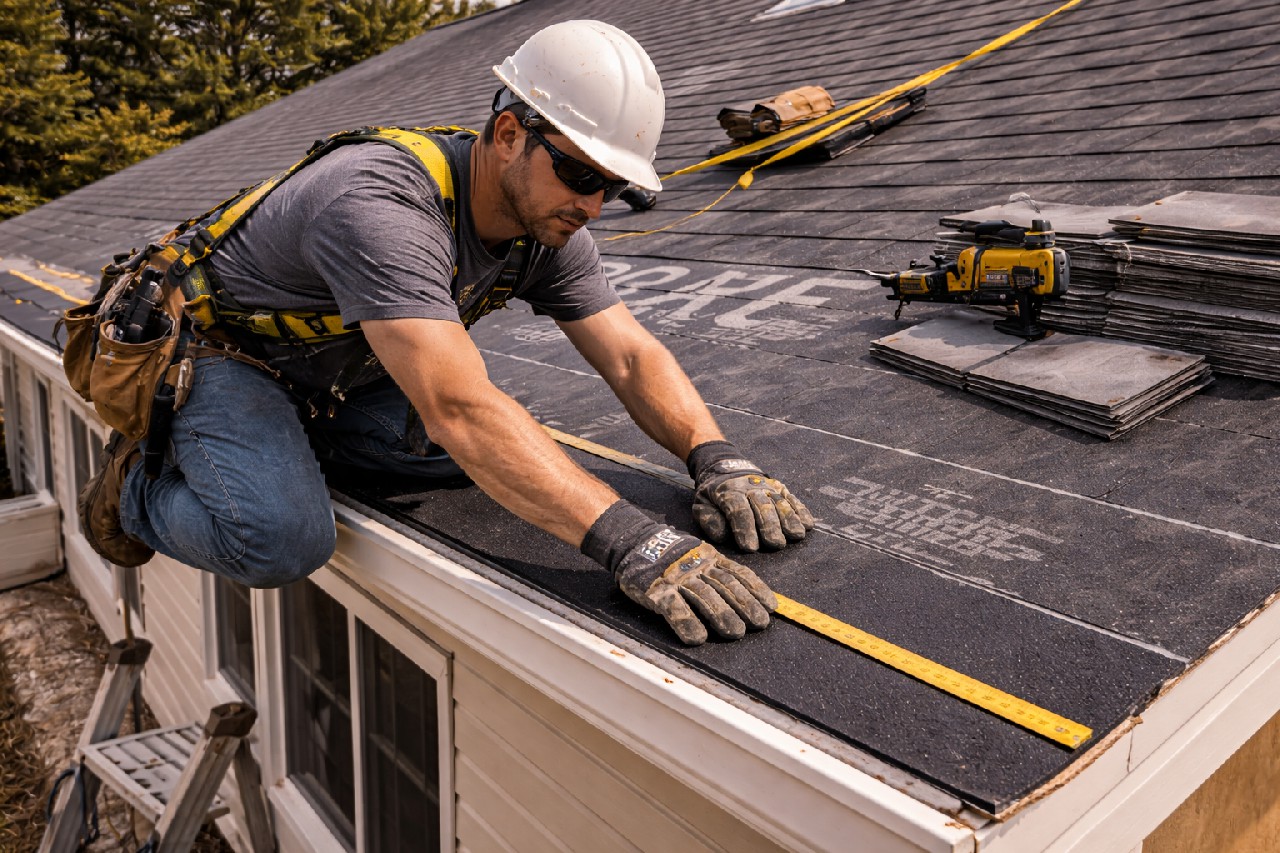
Picture this: salty ocean breezes blasting your roof day in, day out. That salt spray embeds into shingles, eating away at their protective granules faster than inland roofs ever face.
Humidity swings hit hard too. One day it's muggy and wet, the next it's scorching sun baking everything dry. Regular shingles crack, curl, and granulate off under this abuse.
Key Coastal Killers Your Roof Faces
- High winds from nor'easters: Uplift tears standard tabs loose.
- UV rays mixed with salt: Fades colors and weakens the asphalt core quick.
- Hurricane season threats: Need shingles rated for 130+ mph winds to hold.
Skip the cheap stuff. Go for coastal-grade asphalt shingles with reinforced mats and sealant strips that lock tight against Virginia Beach's brutal weather.
Top Asphalt Shingle Types Proven to Withstand Salty Air and Storms
Standard shingles crumble fast here. Salt spray eats at them. You need architectural shingles with beefed-up granules and UV coatings.
These bad boys mimic wood shakes but shrug off coastal punishment. Think granite-like protection against algae and fading.
Our Go-To Picks for Virginia Beach Roofs
- Impact-Resistant Class 4 Shingles: Hail and flying debris? No problem. Tested to take brutal hits without cracking.
- High-Wind Architectural Shingles: Rated for 130+ mph gusts. Perfect for nor'easters slamming the shore.
- Algae-Resistant Laminated Shingles: Stains from salty mist vanish. Keeps your roof looking sharp for decades.
Skip the cheap 3-tab stuff. It curls in two years flat. Go architectural every time, and watch your roof laugh at storms.
We've slapped thousands on Beach homes. They outlast the rest by double.
Pre-Installation Secrets: Site Prep That Prevents Costly Failures
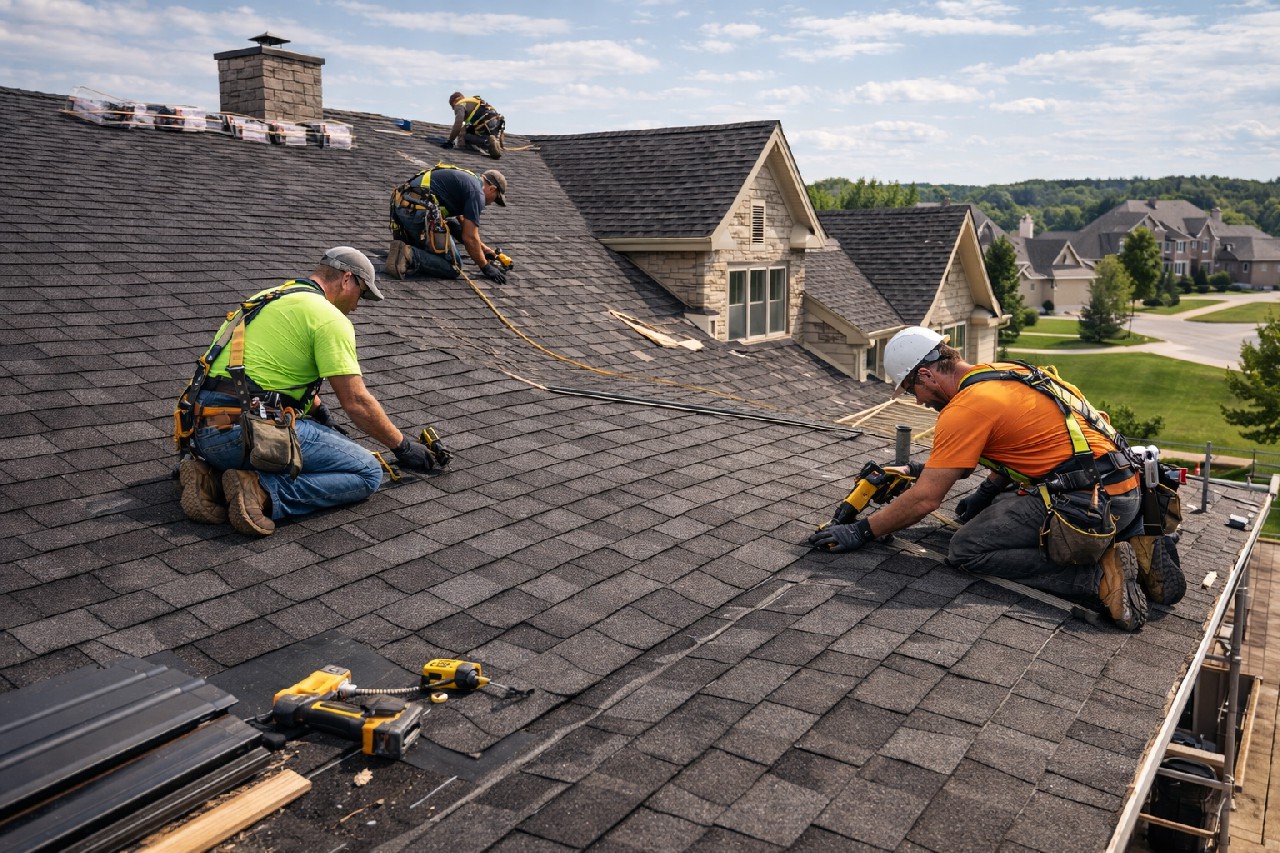
Skip this step, and your new asphalt shingles crack or lift within a couple years. Virginia Beach humidity and salt air rot wood decks fast. Get the base right, or kiss your investment goodbye.
Start with a full deck inspection. Probe every joist for soft spots. Replace any punky boards now, not after leaks start.
Core Site Prep Checklist
- Clear the deck completely: Rip off old shingles, underlayment, and nails. Leftover debris punches holes in fresh layers.
- Check pitch and framing: Coastal winds demand at least a 4/12 slope. Straighten warped rafters before sheathing goes down.
- Dry it out: Let the deck breathe for 48 hours post-demo. Wet wood warps under new shingles.
- Seal edges: Drip edge metal along eaves and rakes blocks wind-driven rain.
One overlooked move? Ice and water shield on all eaves. It stops wind-blown salt water from sneaking under. Do this right, and your roof laughs at nor'easters.
Installation Mastery: Underlayment, Nailing, and Flashing Done Right
Underlayment: Your Roof's First Line of Defense
Synthetic underlayment beats felt every time in salty Virginia Beach air. It sheds water faster and resists tearing from high winds. Skip cheap felt, or leaks will sneak in during the next nor'easter.
Layer it over the entire deck for max protection. Focus extra on eaves and valleys with self-adhering ice-and-water shields. This combo blocks wind-driven rain that hammers coastal roofs.
Nailing Patterns That Lock Shingles Down
Drive six nails per shingle, hitting the asphalt sealant strip every time. Place them 1 inch from edges and 5-5/8 inches apart. Miss this, and hurricane gusts rip them off like paper.
- Use 1-1/4 inch galvanized nails. No shortcuts with staples.
- Aim for the shingle's nailing zone. Too high? Granules fly. Too low? Shingles curl.
- Seal nail heads lightly. It keeps salt corrosion at bay.
Flashing: Seal the Gaps Where Water Wins
Step flashing around chimneys and walls prevents sneaky leaks. Weave it up with each course of shingles for a watertight bond. Virginia Beach storms love exploiting poor flashing.
Go with heavy-duty aluminum or copper. Avoid basic galvanized that rusts fast in our brine-heavy air. Kickout flashing at walls diverts water away from your siding.
Ventilation and Ridge Caps: The Overlooked Keys to Roof Longevity
Picture this: trapped heat and moisture baking your shingles from the inside out during those sticky Virginia Beach summers. Poor ventilation turns your roof into a pressure cooker, curling edges and slashing lifespan by years. Get this right, and your asphalt shingles fight off rot and blow-offs like a champ.
Why Ventilation Crushes Roof Enemies
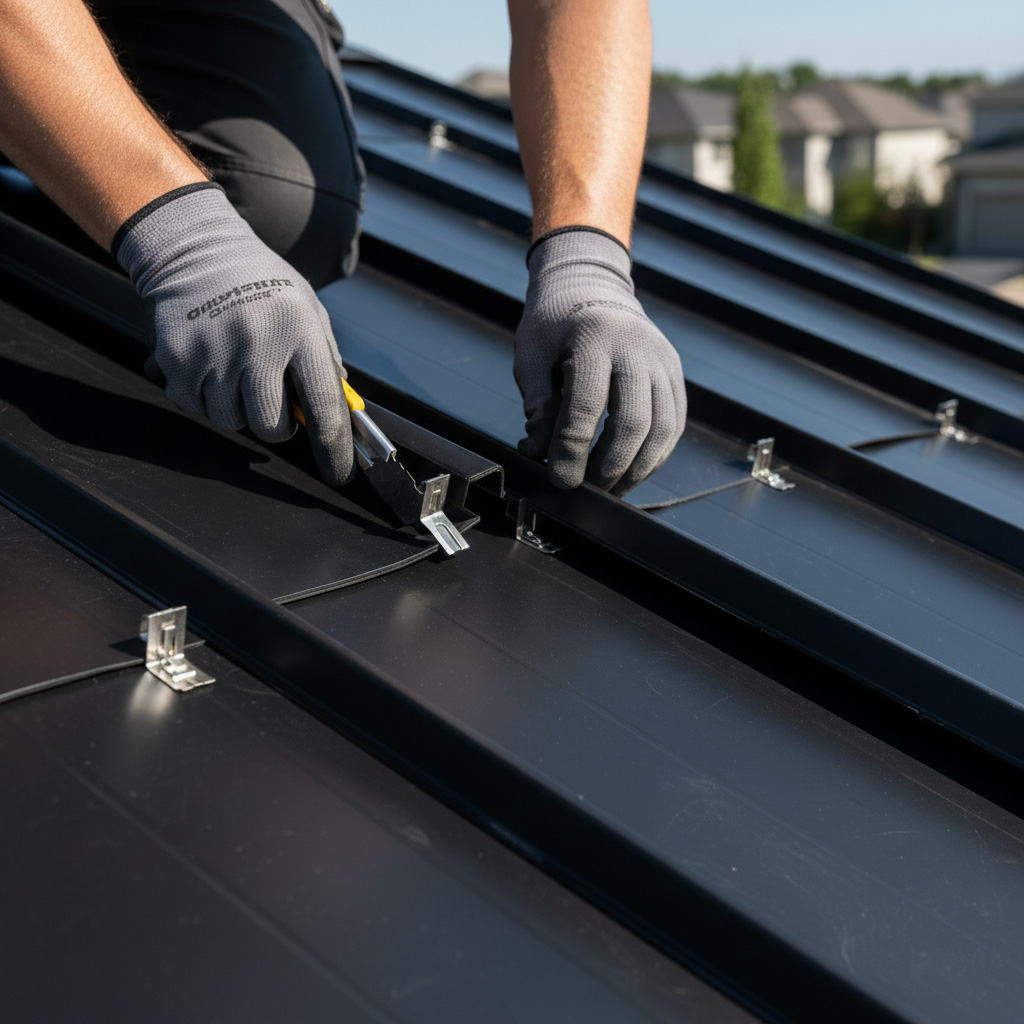
- Install ridge vents paired with soffit vents for steady airflow that dumps hot air and humidity fast.
- Aim for one square foot of vent area per 150 square feet of attic space—code minimum, but we push higher for coastal beatings.
- Skip cheap plastic vents; go metal or durable composites that laugh at salt corrosion.
We've ripped off too many roofs where blocked vents led to moldy decks and early shingle death. Proper setup keeps your attic cool, cuts energy bills, and lets shingles breathe easy.
Ridge Caps That Seal Out Storms
Standard ridge caps? They leak under hurricane gusts whipping salty rain sideways. Opt for laminated architectural ridge caps with sealant strips—they glue down tight and flex without cracking.
- Overlap by six inches minimum, nail every six to eight inches with 1.25-inch galvanized nails.
- Tuck 'em under starter strips for a bombproof seal against wind-driven water.
One tweak here adds decades to your roof's fight against Virginia Beach's wild weather.
Case Study: Saving a Virginia Beach Home from Hurricane Damage
Picture this: A family in Chesapeake Bay Shores calls us panicked after Hurricane Isaias barreled through in 2020. Their 15-year-old asphalt roof was buckling under 70 mph winds and pounding rain. Shingles were lifting, leaks sprouting everywhere.
The Mess We Walked Into
Standard 3-tab shingles from a big-box install. No proper underlayment. Nails too short, flashing rusted from salt air. One gust away from total collapse.
We ripped it off fast. Found rot in the decking from years of poor ventilation. That alone could've cost them $20K extra.
How We Turned It Around
- Switched to impact-resistant architectural shingles rated for Class 4 hail and 110 mph winds.
- Installed synthetic underlayment everywhere, not just valleys.
- Added ridge vents and proper flashing to fight moisture buildup.
Six months later? Roof held firm through another nor'easter. No leaks. Family slept easy. Saved them $15K in emergency fixes.
Lesson here? Cut corners early, pay big later. These steps aren't optional in Virginia Beach.
Final Thoughts
Asphalt shingles can shield your Virginia Beach home for decades if you nail the basics we covered. Skip the cheap shortcuts. Invest in pros who know coastal roofs inside out.
Spot early warning signs like granule loss in gutters or soft spots underfoot? Act fast. A quick inspection beats a full tear-off every time.
- Trim overhanging branches yearly to cut wind damage.
- Clear debris from valleys after every big storm.
- Check ridge caps during spring cleaning.
Ready to bulletproof your roof? Dive deeper into our asphalt shingle roof installation services and lock in a free quote today. Your wallet (and peace of mind) will thank you.
People Also Ask
Are asphalt shingles suitable for Virginia Beach's coastal climate?
Yes, asphalt shingles are highly suitable for Virginia Beach when selecting impact-resistant and algae-resistant types designed for coastal conditions. These shingles withstand salty air, high humidity, and frequent storms better than standard varieties. Proper installation with enhanced underlayment ensures they last 20-30 years in this environment.
What are the best asphalt shingles for salty air and storms in Virginia Beach?
Architectural and luxury asphalt shingles with algae-resistant granules and high wind ratings, such as those rated for 130+ mph winds, excel in Virginia Beach's coastal challenges. Brands like GAF Timberline HDZ or CertainTeed Landmark Pro offer superior durability against salt corrosion and hurricane-force gusts. Homeowners should prioritize Class A fire-rated options certified for coastal use.
How important is site preparation before asphalt shingle installation?
Site preparation is crucial to prevent costly failures like premature leaks or shingle blow-offs in Virginia Beach's harsh weather. This includes clearing debris, repairing decking, and ensuring proper slope to avoid moisture trapping. Skipping these steps can void warranties and shorten roof life by years.
What are key installation secrets for asphalt shingles in coastal areas?
Key secrets include using synthetic underlayment, 6-nail fastening patterns for wind resistance, and corrosion-resistant flashing around penetrations. In Virginia Beach, aligning shingles properly with starter strips and sealing edges prevents wind-driven rain intrusion. Professional installers follow manufacturer specs to maximize warranty coverage and longevity.
How does proper ventilation impact asphalt shingle roof longevity?
Proper ventilation prevents heat buildup and moisture accumulation, which can cause granule loss and shingle curling in Virginia Beach's humid climate. Installing ridge vents and soffit intake ensures airflow, extending roof life by 10+ years. Without it, premature aging and ice dam risks increase during storms.

Virginia Beach Roofing provides expert roofing services for homes and businesses throughout Virginia Beach, VA. With extensive experience in installations, repairs, and maintenance, the team addresses the area's unique coastal weather challenges. Deeply rooted in the local community, they focus on durable solutions tailored to Virginia Beach properties.
Need Roofing?
Fast roof repairs and replacements in Virginia Beach, VA and nearby areas (23451, 23452, 23453, 23454, 23455), delivering leak-proof, weather-resistant protection that lasts.
Get Roof Quote