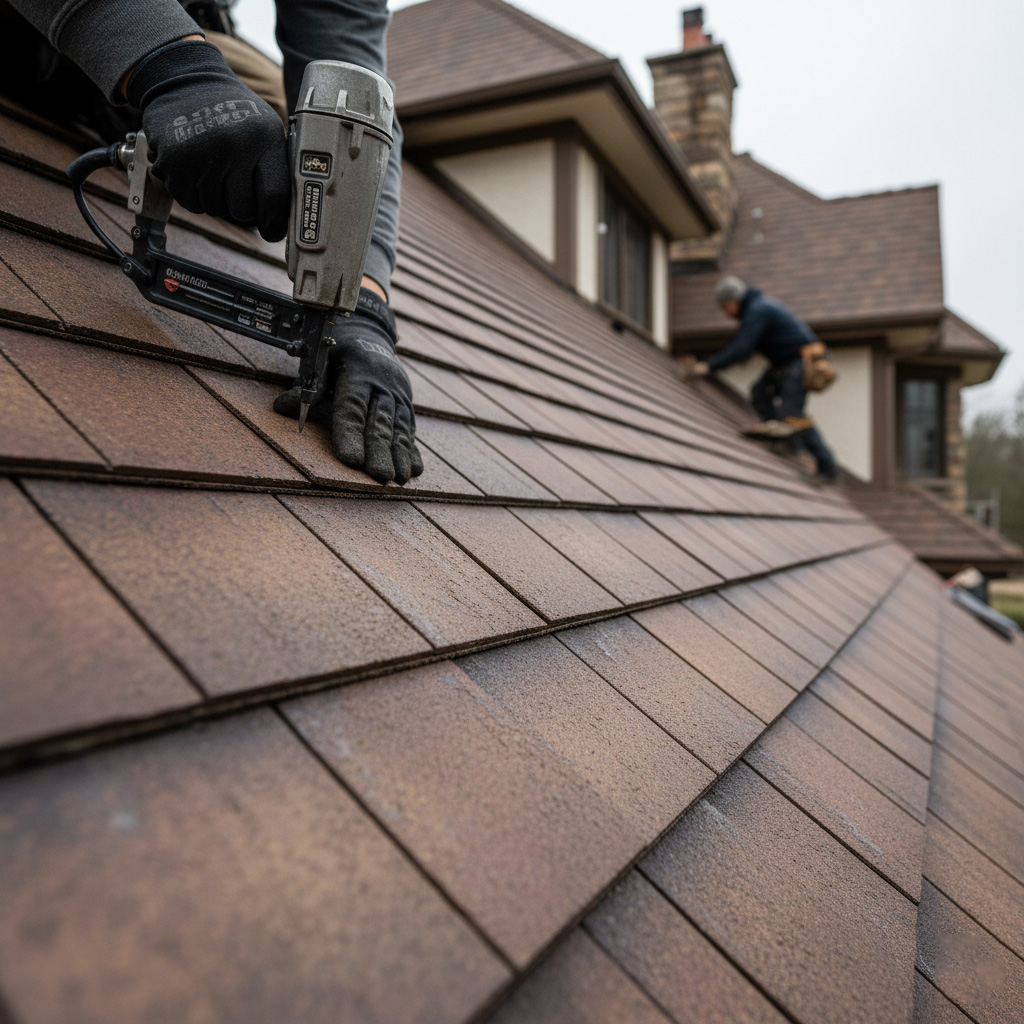


⚡ TL;DR: This roof inspection checklist for Virginia Beach homes covers DIY exterior and interior checks, local salt air and wind issues, and early detection to protect your budget.
📋 What You’ll Learn
In this Virginia Beach roof inspection guide, you’ll learn how to spot hidden damage, navigate local weather challenges, perform safe DIY checks, and avoid costly repairs before they escalate.
- Grasp Virginia Beach roof challenges from salt air corrosion, high winds, and hurricanes that weaken shingles and flashing faster than in other areas.
- Master essential DIY tools including binoculars, ladders, moisture meters, and safety gear to inspect your roof confidently without professional help.
- Spot exterior red flags like damaged shingles, clogged gutters, loose flashing, and granule loss that signal leaks and structural issues early.
- Detect interior warning signs such as attic stains, mold growth, insulation damage, and ceiling cracks indicating water intrusion and hidden rot.
- Prepare for local threats with hurricane-proofing tips, case studies of big savings, and steps to protect your home and budget today.
📖 Reading time: 7 min
✍️ Author expertise: Virginia Beach roofer with 20+ years of field inspections on coastal properties.
Imagine this: a sudden storm rolls through Virginia Beach, ripping shingles off your roof like paper in the wind. You climb up after, spotting leaks and rot that could've been fixed for pennies, but now it's a $15,000 nightmare staring back at you.
That sinking feeling hits every homeowner here, where salty ocean air and brutal hurricanes chew through roofs faster than anywhere else.
But what if you had a dead-simple checklist to spot trouble early and dodge those massive repair bills? Let's dive into the exact steps that pros use to keep Virginia Beach roofs bulletproof.
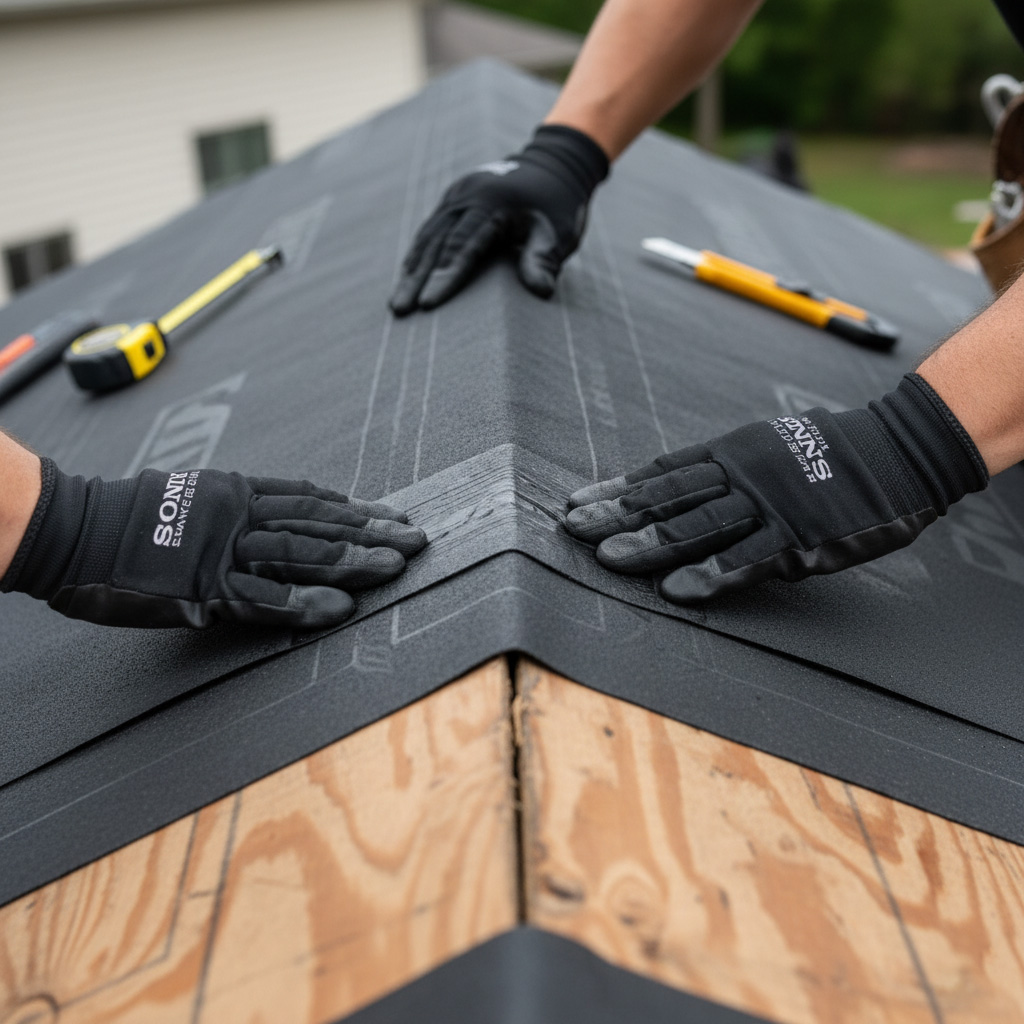
Why Virginia Beach Roofs Face Unique Challenges
Live by the ocean in Virginia Beach? Your roof battles enemies most homeowners never see. Salt-laden winds from the Atlantic crash into shingles daily, corroding metal flashes and weakening asphalt like acid on paper.
Then come the winds. Gusts over 70 mph during nor'easters lift edges, creating gaps for water to sneak in. Hurricanes? They turn roofs into battlegrounds, hurling debris like missiles.
Top Roof Killers Here
- Salt corrosion: Eats at nails and sealant faster than inland spots.
- High humidity: Traps moisture, speeding rot in wood under shingles.
- UV blast: Intense sun bakes colors off, making shingles brittle and crack-prone.
Skip checks, and small cracks balloon into full replacements. Pros see it weekly: a $500 fix ignored turns into $20K tears. Spot these early, and you stay ahead of the storm.
Essential Tools for a Safe DIY Roof Inspection
Grab these basics before you step foot on your roof. Skip them, and you're risking a hospital bill bigger than any repair. Safety first turns a quick check into a smart win.
Core Safety Gear
- Sturdy extension ladder rated for your weight plus tools. Test it flat on the ground.
- Non-slip work boots with thick soles. No sneakers, ever.
- Heavy-duty gloves to grip shingles without cuts.
- Safety harness and rope if your roof pitches steep. Anchor it solid.
Now for the inspection kit. These let you spot damage without guesswork. Keep everything in a lightweight bucket for easy carry.
Inspection Must-Haves
- Binoculars for ground-level scans. No ladder needed at first.
- Flashlight or headlamp for shadows and hidden spots.
- Digital camera or phone to snap pics. Proof for later chats with pros.
- Moisture meter if you're checking inside. Cheap ones work fine.
That's your full kit, under $200 total. Test everything on flat ground first. Ready? Hit the exterior next.
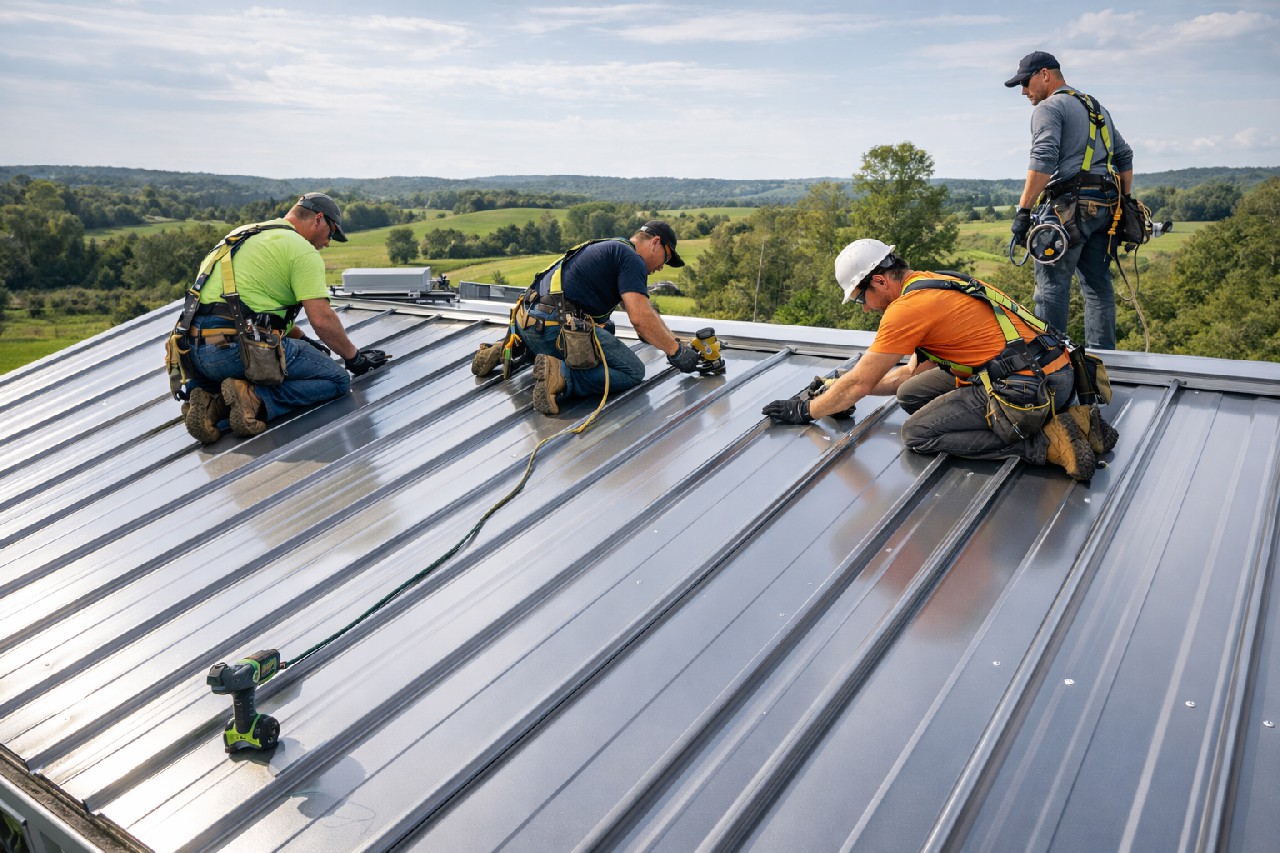
Exterior Checklist: Inspecting Shingles, Flashing, and Gutters
Grab a ladder on a dry day. Start from the ground with binoculars if you can. Safety first - never risk a slip on wet surfaces.
Shingles: Look for Cracks, Curling, and Granule Loss
Climb up carefully or use binoculars. Check for missing or cracked shingles - they're prime leak suspects in our windy beach climate.
- Curling edges? Wind damage from nor'easters.
- Bald spots with no granules? UV and salt air eating them alive.
- Soft or spongy areas? Hidden rot starting underneath.
Count at least 10 damaged ones per 100 square feet. That's your signal to call pros before water invades.
Flashing: Seal the Deal Around Chimneys and Vents
Scan metal flashing at roof edges, chimneys, and vents. Lifted or rusted flashing lets water sneak in during heavy rains.
- Cracks or gaps? Reseal now with caulk.
- Corroded from salt spray? Replace before it buckles.
- No flashing at valleys? Big red flag for pooling water.
Gutters: Clear Debris and Check for Sags
Overflowing gutters dump water back onto your roof. Probe for loose brackets or rust - common after hurricane-season battering.
- Clogged with leaves or pine needles? Flush 'em out.
- Sagging sections? Water backs up and rots fascia boards.
- Leaking seams? Patch or replace to protect your foundation.
A quick rinse reveals weak spots. Fix these, and your roof lasts years longer.
Interior Checklist: Spotting Leaks, Attic Damage, and Mold
Head inside next. Grab a flashlight and pull down the attic stairs. Your nose hits you first - that musty whiff screams trouble.
Leak Signs You Can't Ignore
- Water stains on ceiling joists or insulation? Brown or yellow streaks mean past drips.
- Discolored drywall below? Push it gently - soft spots signal active leaks.
- Drips during rain? Mark the spot. It points straight to your roof weak link.
Climb up carefully. Poke around rafters and sheathing. Sunlight beaming through cracks? Game over for that section.
Attic Damage Red Flags
- Sagging beams or rotted wood? Humidity from Virginia Beach's muggy air loves feasting here.
- Crushed or missing insulation? Wind-driven rain sneaks in, wrecking your energy bill too.
- Animal chew marks? Squirrels target soft spots - check for droppings and nests.
Mold hits hard in our coastal climate. Black fuzzy patches on wood? Scrape a sample if safe. Call pros immediately - it spreads fast and tanks your health.
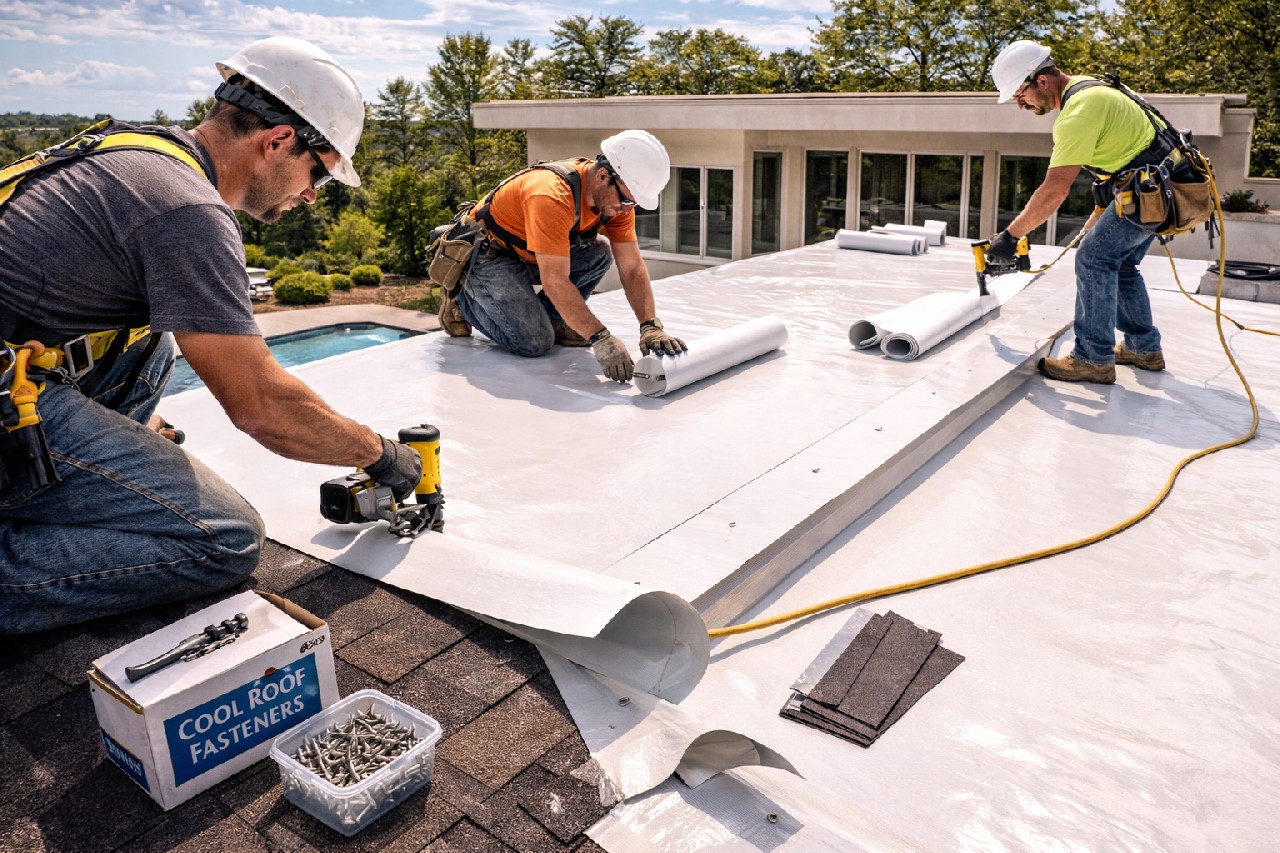
Virginia Beach-Specific Issues: Salt Air, Wind, and Hurricane Prep
Right here in Virginia Beach, that salty ocean breeze isn't just refreshing. It eats away at metal flashing and nails like acid, turning small rust spots into full-blown failures.
Salt Air Corrosion: Check These Hotspots
- Look for white crust on nails and flashing - that's salt buildup pulling moisture in.
- Probe around vents and chimneys; soft spots mean corrosion's already deep.
- Pro tip: Rinse roof edges quarterly to slow the damage.
High winds off the Atlantic? They lift shingles and snap weak ones clean off. Inspect for granule loss in corners - those bald patches scream vulnerability.
Wind Damage Warning Signs
Cracked or curled edges? Curling means wind's been prying them loose over time.
Foot your ladder carefully. Test every shingle tab by hand - loose ones fly first in a gale.
Hurricane Prep: Seal It Before the Storm Hits
With hurricane season looming, scout for tree branches overhanging your roof. They turn into missiles.
- Secure loose gutters now - clogged ones overflow and rot fascia boards fast.
- Check ridge vents for gaps; wind-driven rain sneaks through those.
- Stock up on roof sealant for quick patches pre-storm.
Spot these early, and you're not just inspecting. You're arming your roof against VB's worst.
Case Study: Saving a Local Family $14,000 with Early Detection
Meet the Johnsons, a family of four living in Chesapeake Bay Shores, right here in Virginia Beach. Last spring, they grabbed our checklist after a windy nor'easter rattled their home. What they uncovered changed everything.
What the Checklist Revealed
Up on the roof, shingles were curling at the edges from salt air corrosion. Gutters sagged, pulling flashing loose near the chimney.
- Missing granule layer on south-facing slopes – early UV wear.
- Cracked valley flashing, prime spot for future leaks.
- Attic showed minor water stains, no mold yet.
They snapped photos and called us in. Total fix? Just $1,200 for targeted repairs.
Fast forward six months. Hurricane season hits hard. Neighbors faced full roof replacements at $15,000-plus. The Johnsons? Bone-dry attic, zero damage.
Early spotting turned a potential disaster into pocket change. Their story proves it: this checklist pays for itself tenfold.
Final Words: Protect Your Home and Budget Today
Grab that checklist right now. Print it out. Hit your roof this weekend before the next gale-force wind rips through Virginia Beach.
Spot one issue? Don't wait. Call in the pros before a drip turns into a deluge.
Quick Action Steps
- Schedule your roof inspection today - peace of mind starts here.
- Check your attic vents for blockages from salt buildup.
- Secure loose flashing with sealant - it buys you years.
One early fix saved that family $14,000. Yours could be next. Act fast, sleep easy.
People Also Ask
How often should I inspect my roof in Virginia Beach?
In Virginia Beach's harsh coastal climate, inspect your roof at least twice a year—spring and fall—plus after major storms. Early detection of issues like wind damage or salt corrosion can prevent costly repairs. Schedule a professional inspection annually for thorough peace of mind.
What are the most common signs of roof damage in Virginia Beach?
Look for missing or curling shingles, damaged flashing around chimneys, and clogged gutters from salt air buildup. Interior signs include water stains on ceilings, attic mold, and soft spots in the roof deck. Addressing these early can save thousands in hurricane-related repairs.
Can I perform a DIY roof inspection safely?
Yes, with basic tools like binoculars, a ladder, and flashlight, but prioritize safety by avoiding steep pitches or slippery conditions. Focus on exterior shingles, gutters, and flashing, then check the attic for leaks. For steep roofs or detailed assessments, hire a local Virginia Beach roofing expert.
How much does a professional roof inspection cost in Virginia Beach?
Professional inspections typically range from $150 to $400, depending on roof size and complexity. Many Virginia Beach roofing companies offer free inspections with repair quotes. This small investment can uncover issues saving you thousands in future damages from wind and salt exposure.
What should I do to prepare my roof for hurricane season in Virginia Beach?
Conduct a full inspection using our checklist, trim overhanging trees, and secure loose shingles or flashing. Install or reinforce hurricane straps and ensure gutters are clear for proper drainage. Partner with a certified local roofer for reinforcements to protect against high winds and heavy rains.

Virginia Beach Roofing provides expert roofing services to homeowners and businesses throughout Virginia Beach, VA. With years of hands-on experience, the team handles installations, repairs, and maintenance using durable materials suited to coastal conditions. Deeply committed to the local community, they deliver reliable solutions tailored to area needs.
Need Roofing?
Fast roof repairs and replacements in Virginia Beach, VA and nearby areas (23451, 23452, 23453, 23454, 23455), delivering leak-proof, weather-resistant protection that lasts.
Get Roof Quote