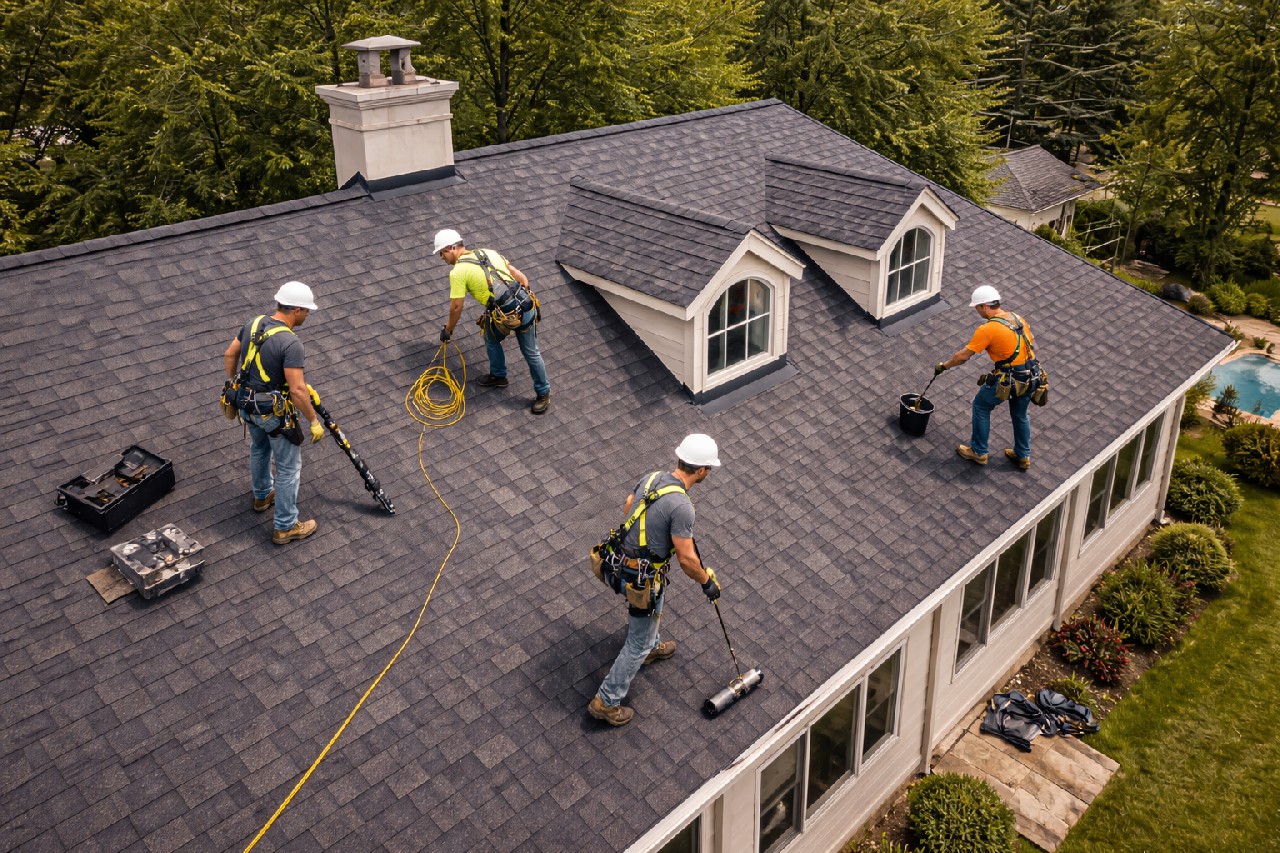


⚡ TL;DR: Virginia Beach locals share practical roof maintenance hacks like coastal inspections, salt rinsing, shingle repairs, gutter cleaning, and sealing to protect homes from harsh weather.
📋 What You’ll Learn
Discover proven roof maintenance hacks Virginia Beach locals rely on to combat coastal storms, salt spray, humidity, and heavy rains for durable, leak-free roofs year-round.
- Master twice-yearly inspections tailored to coastal storms, catching early damage from high winds and debris before minor issues escalate into costly repairs.
- Rinse off salt spray regularly to prevent hidden corrosion on shingles and flashing, extending your roof's life in Virginia Beach's salty ocean air.
- Spot and fix shingle wear from relentless wind and waves, using simple techniques locals swear by to avoid gaps and water intrusion.
- Optimize gutter cleaning for heavy rain seasons with pro tricks that stop clogs, overflows, and foundation damage during tropical downpours.
- Seal flashing and vents against humidity havoc, safeguarding your roof from mold, rot, and leaks in the Beach's muggy climate.
📖 Reading time: 7 min
✍️ Author expertise: Virginia Beach roofer with 18 years of field experience battling coastal roof challenges.
Ever wake up in Virginia Beach to the sound of rain drumming on your ceiling, only to find water stains spreading like wildfire?
That's the nightmare every homeowner dreads after our brutal coastal storms rip through, turning solid roofs into sieves overnight. But here's the kicker: locals who've toughed out decades of salt spray and hurricane-force winds swear by dead-simple tricks that stop leaks before they start.
These aren't fancy gimmicks from out-of-town experts. They're battle-tested hacks passed down right here on the Beach.
Grab a coffee and let's unpack the ones that could save your roof, and your wallet, this season.
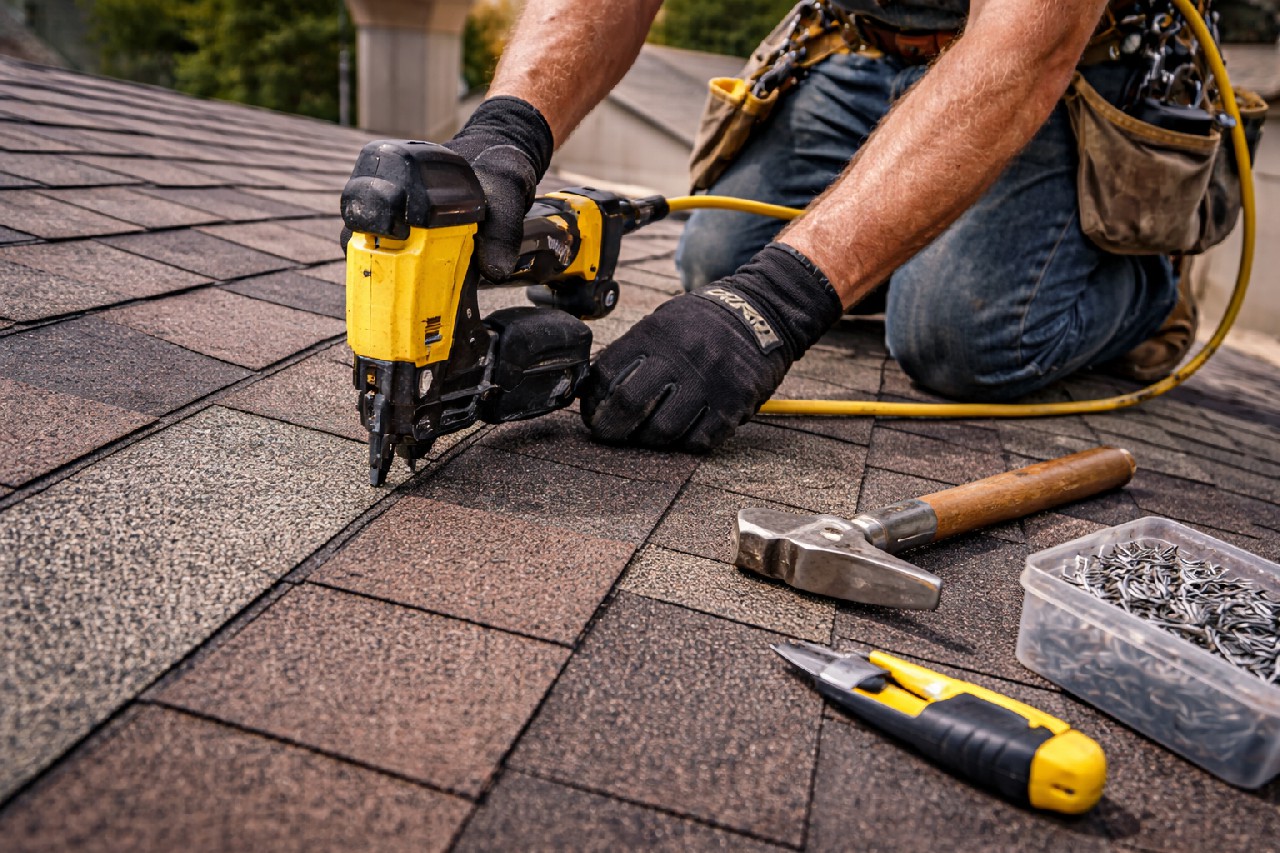
Hack #1: Twice-Yearly Inspections Tailored to Coastal Storms
Hit your roof with a full checkup twice a year - once in early spring, once in late fall. Virginia Beach storms don't play nice, slamming shingles with wind gusts over 70 mph and salt-laden rain that eats metal like candy.
Skip this, and tiny cracks turn into gushing leaks by summer. Locals time these inspections right after nor'easters or before hurricane season kicks off.
Quick Checklist for Coastal Damage
- Shingles: Lift edges for missing granules or curling from UV and wind.
- Flashing: Probe around chimneys and vents for rust pits from salt spray.
- Vents and ridges: Scan for loose caps that waves could pry open.
Grab binoculars for a ground-level scan first. Climb up only if you're steady - or call pros like us for the heavy lift.
One 30-minute walk-around spots 90% of trouble before it costs thousands.
Hack #2: Rinse Away Salt Spray to Prevent Hidden Corrosion
That salty ocean mist drifting in from the Atlantic? It sticks to your shingles like glue. Over time, it eats away at metal flashing, nails, and underlayment, sparking rust that weakens your entire roof.
Virginia Beach roofs take a beating from this invisible killer. Locals rinse it off every couple of months, especially after big winds push spray inland. Simple habit. Massive payoff.
Quick Rinse Routine That Works
- Grab a garden hose with a spray nozzle. No chemicals needed.
- Start at the ridge, work down to eaves. Hit gutters too.
- Do it on a dry, breezy day. Let everything air out fast.
Skip this, and corrosion sneaks up. You'll spot it first as discolored streaks or pitting on vents. Catch it early, and your roof lasts years longer.
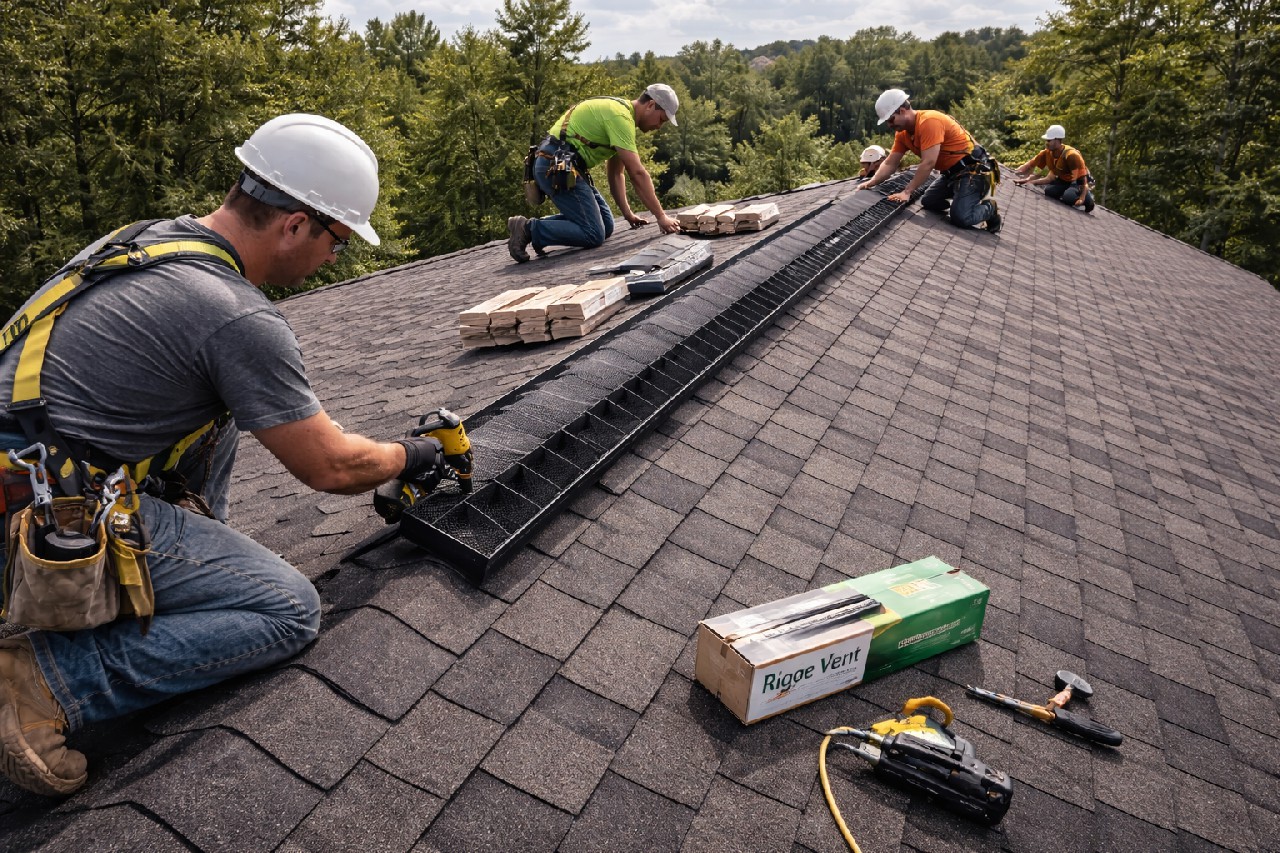
Hack #3: Spot and Fix Shingle Wear from Wind and Waves
Virginia Beach roofs take a beating from relentless ocean winds whipping shingles loose and waves kicking up grit that grinds them down. Granules start flying off like confetti after every nor'easter. Catch it early, or you're staring at bald spots that invite leaks.
Spot the Trouble Fast
- Curling edges: Shingles lifting at corners? Wind's prying them up.
- Missing granules in gutters: Rub your fingers along the edges. Feels gritty? That's your roof shedding armor.
- Cracks or splits: Waves crash salt and sand that chew through asphalt over time.
Walk your roof after storms with binoculars if you're chicken about heights. Snap pics for before-and-after proof.
Fix minor wear yourself before it snowballs. Nail down loose tabs with galvanized roofing nails, then slather on asphalt cement under the edges. For granule loss, rake 'em back up and sprinkle fresh ones from a hardware store bag.
Big damage? Skip the heroics. Call a local roofer pronto. We've seen shingles hold for another five years with these tweaks, dodging a full tear-off that runs five figures.
Hack #4: Gutter Cleaning Tricks for Heavy Rain Seasons
Heavy downpours hit Virginia Beach like clockwork during hurricane season. Clogged gutters turn your roof into a waterfall, rotting fascia boards and flooding your foundation. Locals skip the hassle with these quick tricks that keep water flowing free.
Grab These Tools First
- A sturdy extension ladder rated for your weight.
- Garden hose with a high-pressure nozzle.
- Plastic scoop or gutter gloves for leaf grab.
- Bucket tied to a rope for debris drops.
Work on a dry day. Start from the downspout end. Blast sections with the hose as you go.
Pro move: Install gutter guards after cleaning. They cut repeat jobs by 80%. But check 'em twice a year anyway. One blocked seam during a nor'easter can cost you thousands in water damage.
Spot trouble early? Look for sagging gutters or ground puddles after rain. Fix now, or call pros before the next squall rolls in.
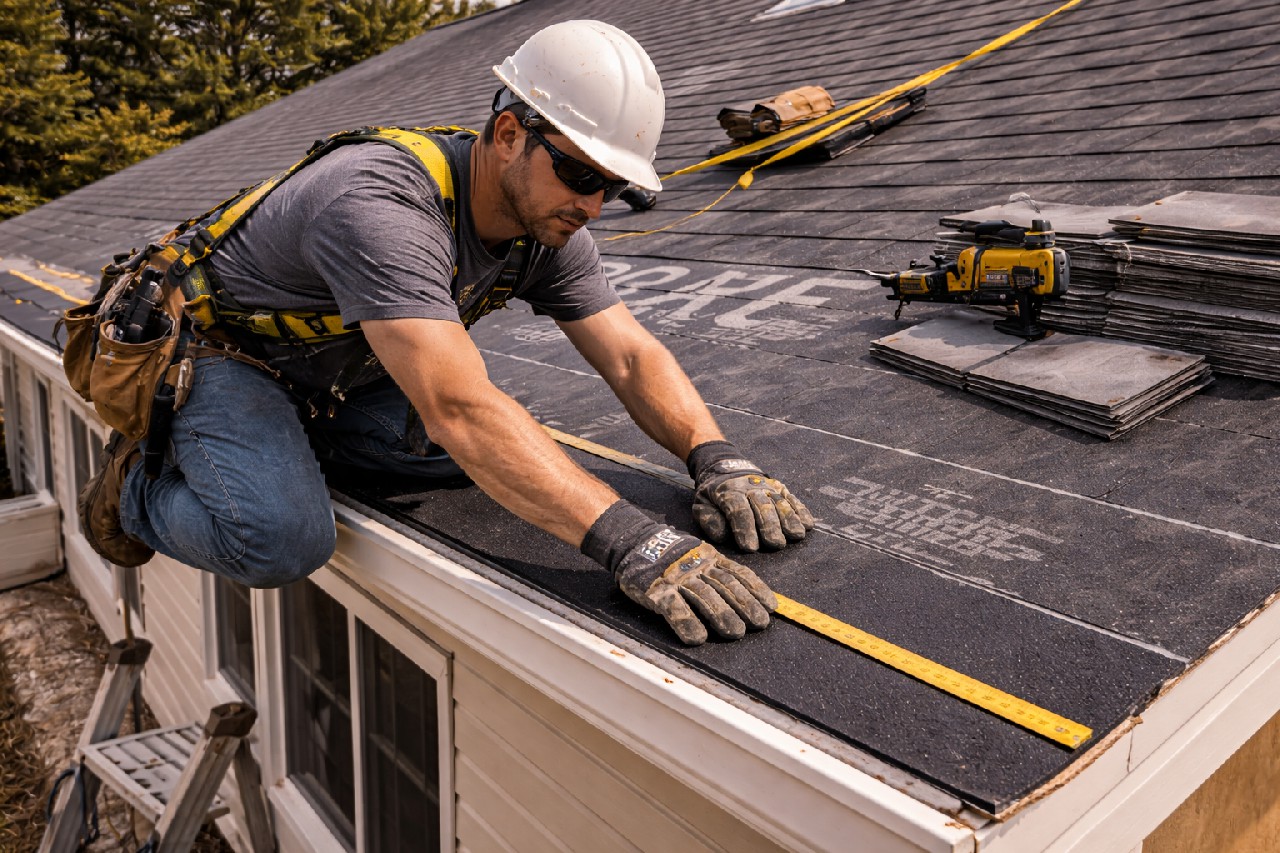
Hack #5: Seal Flashing and Vents Against Humidity Havoc
Humidity here in Virginia Beach doesn't just make your hair frizz. It sneaks into every gap around roof flashing and vents, turning metal into rust buckets and inviting mold that rots your attic from the inside out.
Spot the Trouble First
Climb up after the next nor'easter. Look for cracks in sealant, bubbling paint on flashing, or vents clogged with salty gunk.
- Discolored streaks? Water's been pooling.
- Soft spots near pipes? Rot's already started.
- Missing caulk? Instant leak highway.
Grab a tube of polyurethane sealant rated for coastal abuse. Clean those spots with a wire brush and bleach mix. Slather it on thick, then hit vents with mesh screens to block bird nests and debris.
Do this twice a year, and you'll laugh at the next humid blast. Your roof stays bone-dry, insurance bills low, and that bungalow vibe intact.
Case Study: Saving a Virginia Beach Bungalow from Total Roof Failure
Meet Mike, a retired Navy vet living in a classic bungalow off Pacific Avenue. Last fall, after Hurricane Ian's remnants hammered the Beach with 60 mph gusts and inches of rain, his attic sprang leaks like a busted fire hose.
Shingles curled up from wind shear. Salt buildup ate at the flashing. Gutters overflowed, pooling water under the eaves. Total replacement? He'd been quoted $28,000.
Turning the Tide with Local Hacks
- Twice-yearly inspections caught loose shingles early – he fixed 'em with roofing cement before they flew off.
- Rinsed salt spray monthly using a garden hose and vinegar mix. Stopped corrosion dead.
- Sealed vents and flashing with high-grade silicone caulk rated for coastal humidity.
Cleaned gutters with a leaf blower trick during dry spells. No more backups in heavy downpours.
Cost? Under $1,200 in materials and a weekend's sweat. His roof held through winter nor'easters. Mike's bungalow stands strong today – no leaks, no regrets.
Final Thoughts
Stick these hacks in your routine, and your roof could outlast the next nor'easter without breaking a sweat.
But don't just take my word. Virginia Beach roofs that dodge disaster? They get pro eyes on them regularly. Skip the DIY guesswork when stakes are high.
Quick Action Steps
- Schedule that twice-yearly check today.
- Hit up our Roof Maintenance crew for a no-BS inspection.
- Spot trouble early? Call before it costs thousands.
Locals who swear by these tricks sleep sound through storms. Your turn to join them.
People Also Ask
How often should I inspect my roof in Virginia Beach?
In Virginia Beach, locals recommend twice-yearly inspections, especially before hurricane season and after major storms, to catch coastal damage early. Professional roofers can spot issues like loose shingles or corrosion that DIY checks might miss. Regular checks extend your roof's life amid salt spray and high winds.
Does salt spray from the ocean damage roofs in Virginia Beach?
Yes, salt spray accelerates corrosion on metal flashing, nails, and gutters, leading to hidden roof decay over time. Virginia Beach homeowners swear by rinsing roofs monthly with fresh water to wash away salt buildup. This simple hack prevents premature shingle deterioration and costly repairs.
How do I clean gutters effectively during Virginia Beach's rainy seasons?
Use a leaf blower for dry seasons and a garden hose with gutter attachments during wet months to clear debris quickly. Wear gloves and safety gear while working from a stable ladder, focusing on downspouts to ensure proper drainage. Consistent cleaning prevents water backups that cause roof leaks and interior damage.
What causes shingle wear in coastal Virginia Beach homes?
High winds, waves, and UV exposure combined with salt air cause granules to erode and shingles to curl or crack. Spot early wear by walking your roof after storms and replace damaged sections promptly. This maintenance hack keeps your roof watertight against relentless coastal elements.
Why seal roof flashing and vents in humid Virginia Beach?
Humidity breeds mold and allows water intrusion around flashing and vents, weakening your roof structure. Apply high-quality sealant annually to create a moisture barrier tailored to coastal conditions. Virginia Beach pros say this prevents leaks and extends roof longevity by years.

Virginia Beach Roofing provides expert roofing services for homes and businesses throughout Virginia Beach, VA. With extensive experience in installations, repairs, and maintenance, the team addresses local weather challenges effectively. Deeply rooted in the community, they deliver dependable solutions tailored to Virginia Beach properties.
Need Roofing?
Fast roof repairs and replacements in Virginia Beach, VA and nearby areas (23451, 23452, 23453, 23454, 23455), delivering leak-proof, weather-resistant protection that lasts.
Get Roof Quote